Error!

Chrome is back: how to bring it into your interior

After several years dominated by pale woods, beige tones and warm metallic finishes, a material once strongly associated with the 1970s and 2000s is making a noticeable comeback: chrome.

Bright, graphic and reflective, it is appearing once again on tables, lighting, armchairs, consoles and decorative accessories.

But forget cold, all-metal interiors. Today’s chrome is being mixed with wood, textured fabrics, deep colours and organic shapes.

It is a warmer and more sophisticated way to embrace this characterful finish.

Why is chrome coming back into our interiors?

Interior trends often move in cycles.

After a long period dominated by gold finishes, brass and natural materials, silver-toned metals now offer a sharper contrast.

Chrome reflects light and naturally catches the eye. It therefore adds a contemporary touch without necessarily introducing more colour.

Another advantage is its versatility.

Minimalist, retro, contemporary or eclectic: depending on the furniture and materials around it, chrome can take on a completely different personality.

The new chrome feels warmer

The return of chrome does not necessarily mean a return to cold, ultra-minimal interiors.

Quite the opposite.

Today, chrome works particularly well when paired with softer materials.

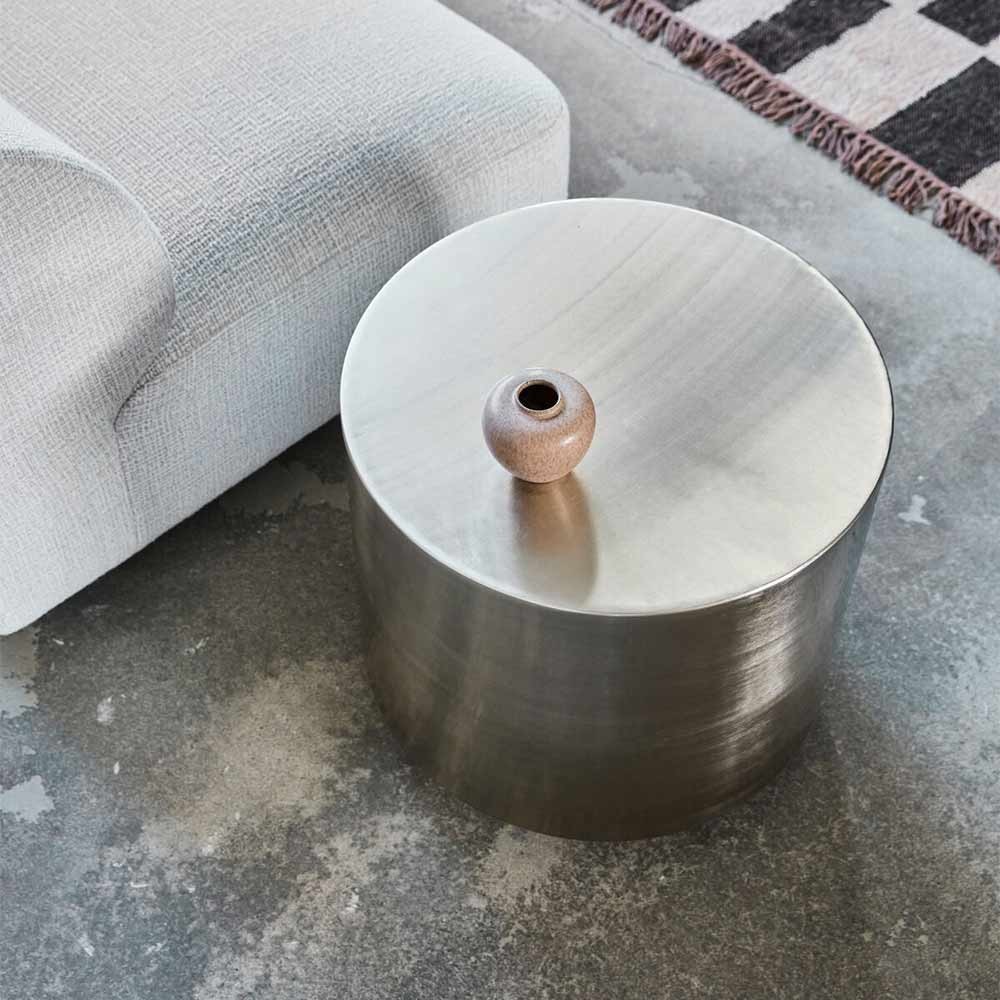
Imagine a chrome coffee table in front of an ecru fabric sofa, an armchair with metallic legs on a thick rug, or a chrome lamp placed on a dark wooden cabinet.

It is precisely the contrast between the shine of the metal and the warmth of other materials that creates a balanced interior.

Chrome and wood: the perfect pairing

Wood is probably one of chrome’s best companions.

The metal adds light and a contemporary feel, while wood prevents the overall scheme from looking too cold.

With pale wood, the result remains bright and refined.

With walnut, brown tones or darker timber, the contrast becomes much richer and more sophisticated.

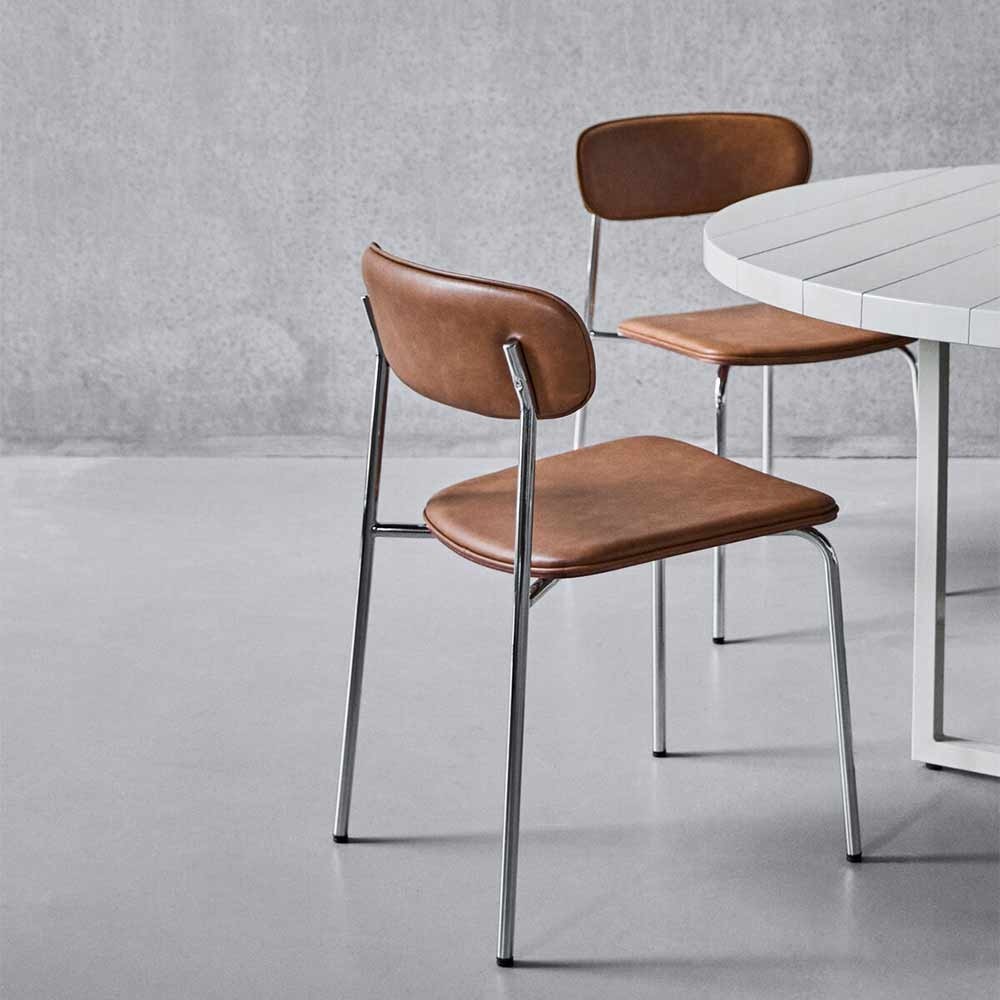
A wooden table surrounded by chairs with chrome legs, a metal console paired with a warm lamp, or a coffee table combining glass and chrome can all fit easily into a contemporary interior.

The colours that work especially well with chrome

One of the most interesting ways to use chrome is to pair it with deeper colours.

Chocolate brown, burgundy, olive green, midnight blue and different shades of beige help soften its highly reflective appearance.

Chrome also works beautifully with ecru, cream and off-white.

The effect is then more understated, with the metal simply adding a few points of light throughout the room.

For a bolder look, colours such as deep red or butter yellow can also create striking contrasts.

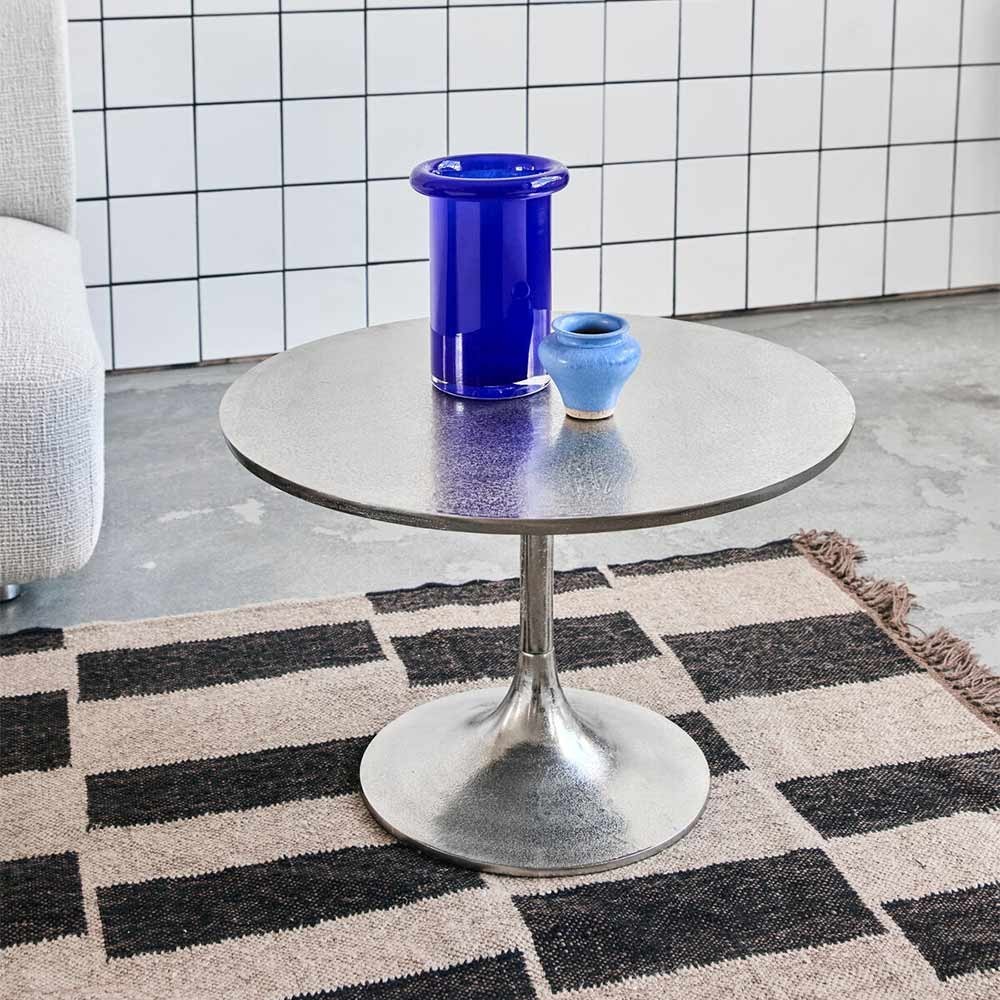
A chrome coffee table to modernise the living room

The coffee table is probably one of the easiest pieces of furniture for introducing this trend.

A chrome frame instantly gives a living room a more contemporary feel.

Combined with a glass top, it creates visual lightness, which can be particularly useful in smaller spaces.

With a more substantial top or an organic shape, it can instead become a true statement piece.

In either case, there is no need to surround it with lots of other metallic elements.

One table can be enough to introduce this new finish into the room.

Lighting: an easy way to embrace chrome

Another option is to start with lighting.

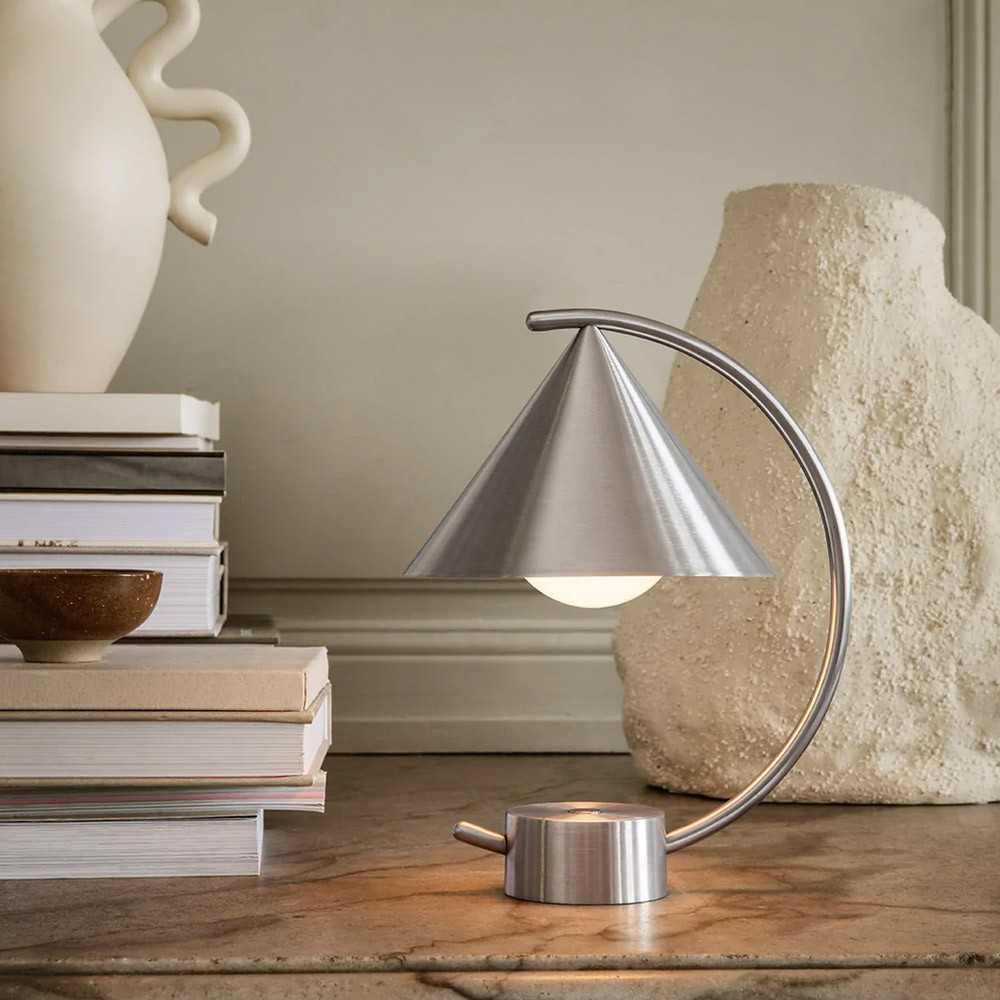
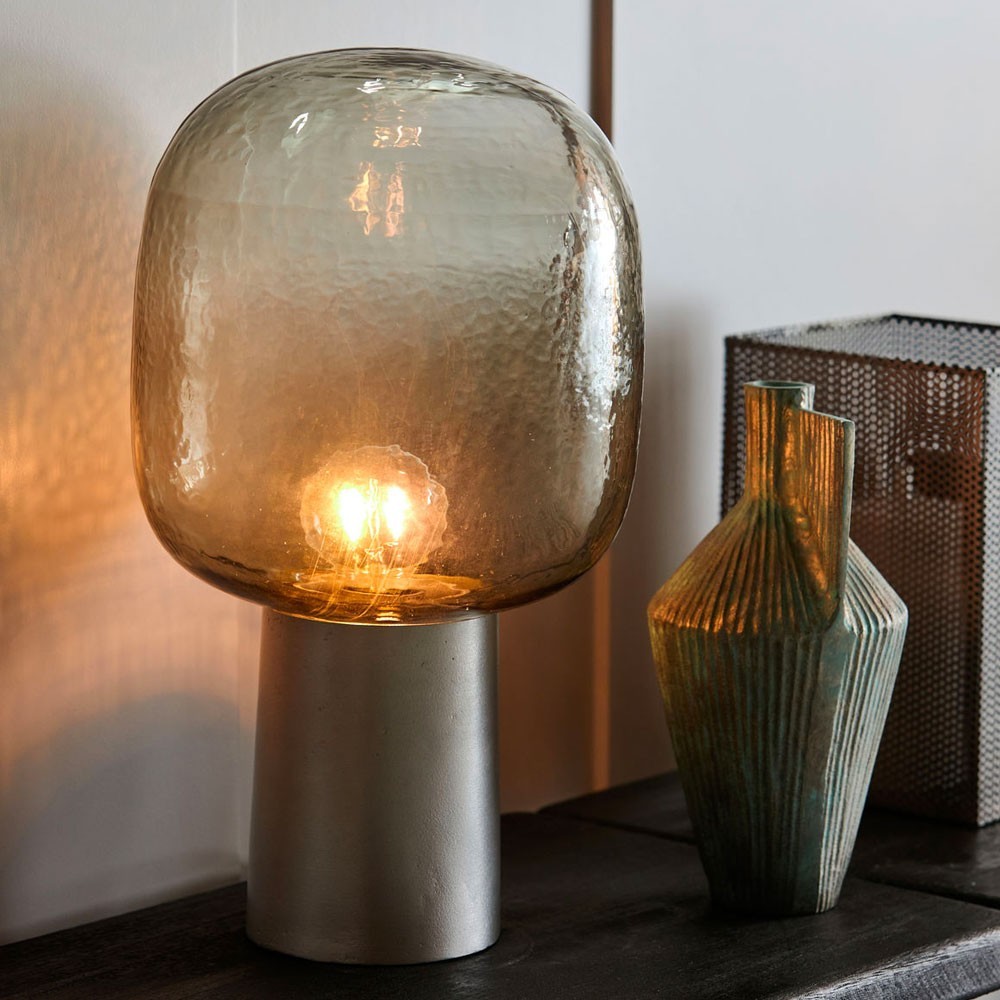
A chrome table lamp, pendant light or floor lamp can transform the atmosphere of a room without requiring a complete furniture makeover.

The metal naturally reflects light and enhances the decorative impact of the fixture.

In a warm living room, a chrome floor lamp can introduce a particularly interesting contemporary contrast.

Above a dining table, a metallic pendant can also become a strong focal point.

Chrome in the dining room

Chrome can appear in several different ways in a dining room.

Metal chair legs can give a large wooden table a more contemporary feel.

A chrome pendant can introduce contrast above more traditional furniture.

A console or small occasional table can also bring in this finish in a more subtle way.

The aim is not necessarily to create a perfectly matching set.

In fact, chrome often works best when it slightly breaks up an interior that feels too uniform.

Can you mix chrome, brass and bronze?

For a long time, there was an unwritten rule that only one metallic finish should be used in a room.

That is no longer necessary.

Chrome, brass, bronze and black metal can work perfectly together as long as there is a sense of balance.

For example, a chrome table can be combined with a light fixture featuring bronze details or with a few gold-toned accessories.

The key is simply to avoid using too many different finishes in large quantities.

The result should feel natural rather than overly coordinated.

Chrome and organic shapes

Chrome is often associated with highly geometric lines.

However, its current comeback also goes hand in hand with much softer forms.

Oval tables, irregular tops, rounded legs and tubular structures all help make the metal feel less rigid.

This combination of industrial material and organic shapes creates an especially interesting contrast.

A chrome piece can therefore feel both highly contemporary and visually soft.

How to use chrome without overdoing it

Like many strong trends, chrome often works best in small doses.

There is no need to have a chrome table, chairs, pendant, console and every accessory in the same finish.

Instead, start with one piece that naturally draws the eye.

It could be:

  • a coffee table;

  • a floor lamp;

  • a small side table;

  • a chair or armchair;

  • a pendant light;

  • a mirror or a few accessories.

Then build the rest of the room around that element.

Chrome will look even more elegant when it is not used everywhere.

A perfect material for refreshing a neutral interior

Chrome is also an excellent solution when an interior feels a little too safe or neutral.

In a room made up mainly of beige, ecru and wood, a metallic detail immediately creates contrast.

It adds a more graphic dimension without changing the entire colour palette.

It is therefore a great way to update a neutral interior while keeping its warm atmosphere.

Chrome between nostalgia and modernity

Chrome feels familiar because it has already played a role in several design eras.

It can be found in iconic twentieth-century furniture, in 1970s interiors and later in the more minimalist looks of the 1990s and 2000s.

Its current return, however, is not about recreating those interiors exactly.

Today, chrome is being used with more contrast, colour and texture.

It is this combination that gives the material a renewed sense of modernity.

A trend to make your own

As with every interior trend, chrome does not need to take over the whole room.

Sometimes one unexpected detail is enough.

A side table next to the sofa, a lamp on a sideboard or chrome legs beneath a chair can make a real difference.

Paired with wood, soft textiles and deeper colours, chrome brings light and a contemporary edge without making a space feel cold.

And that is probably the real appeal of its comeback: chrome is no longer used on its own. It has become a contrasting material that can refresh and modernise an interior.