Error!

7 mistakes to avoid when designing your living room

The living room is often the heart of the home. It is where we relax, welcome guests, watch a movie or simply enjoy our interior. However, even with beautiful furniture, certain layout mistakes can make the space feel less comfortable, less balanced or less functional.

Proportions, circulation, lighting, rug size… Here are 7 common mistakes to avoid when designing your living room.

1. Choosing furniture that is out of proportion

A sofa that is too large can quickly overwhelm a small living room. On the other hand, furniture that is too small can feel lost in a large space and create a sense of emptiness.

Before buying any furniture, it is therefore essential to measure the room carefully and take circulation areas into account.

In a small living room, choose visually light furniture, slim legs and compact proportions. In a larger room, you can opt for a more generous sofa, several seating options or a larger coffee table.

The aim is to maintain the right balance between the size of the furniture and the dimensions of the room.

2. Placing all the furniture against the walls

This is a very common habit: the sofa against one wall, an armchair against another and the rest of the furniture arranged around the edges of the room.

Yet moving furniture slightly away from the walls can often create a much warmer and more inviting atmosphere.

In a large room, the sofa can even be used to define different areas naturally, for example between the living room and the dining area.

Think of your living room as a space for conversation and relaxation rather than simply a collection of furniture placed against the walls.

3. Choosing a rug that is too small

A rug helps to visually structure the living room. But if it is too small, it can have the opposite effect and make the furniture feel disconnected.

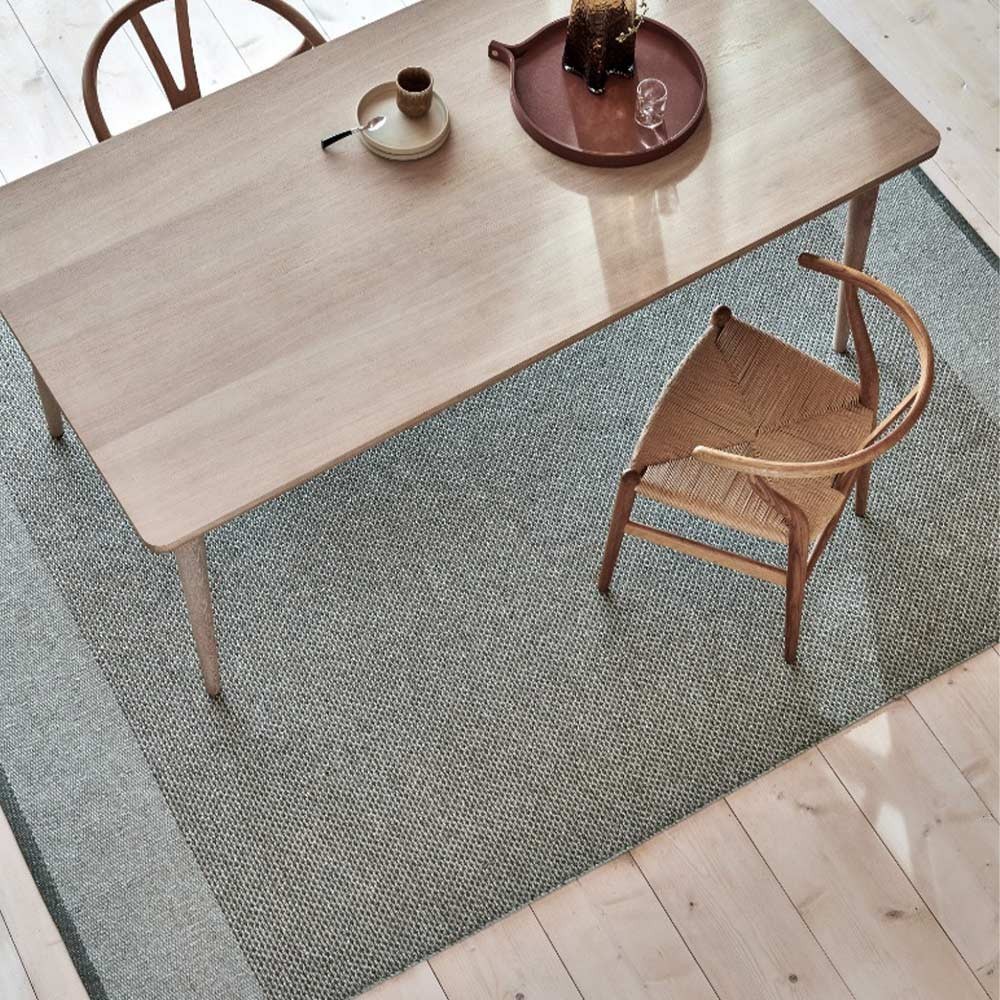
Ideally, the rug should be large enough for at least the front legs of the sofa and armchairs to sit on it.

For a standard living room, sizes such as 160 × 230 cm or 200 × 300 cm are often a good starting point, depending of course on the size of the room and the sofa.

A generous rug also helps create a clearly defined relaxation area and immediately makes the room feel more comfortable.

4. Choosing a coffee table that is out of proportion

The coffee table should be chosen according to the sofa and the space available.

A table that is too large can make it difficult to move around, while a table that is too small may look lost in front of a large sofa.

As a general rule, the coffee table should be easy to reach from the sofa while still leaving enough room to walk around it comfortably.

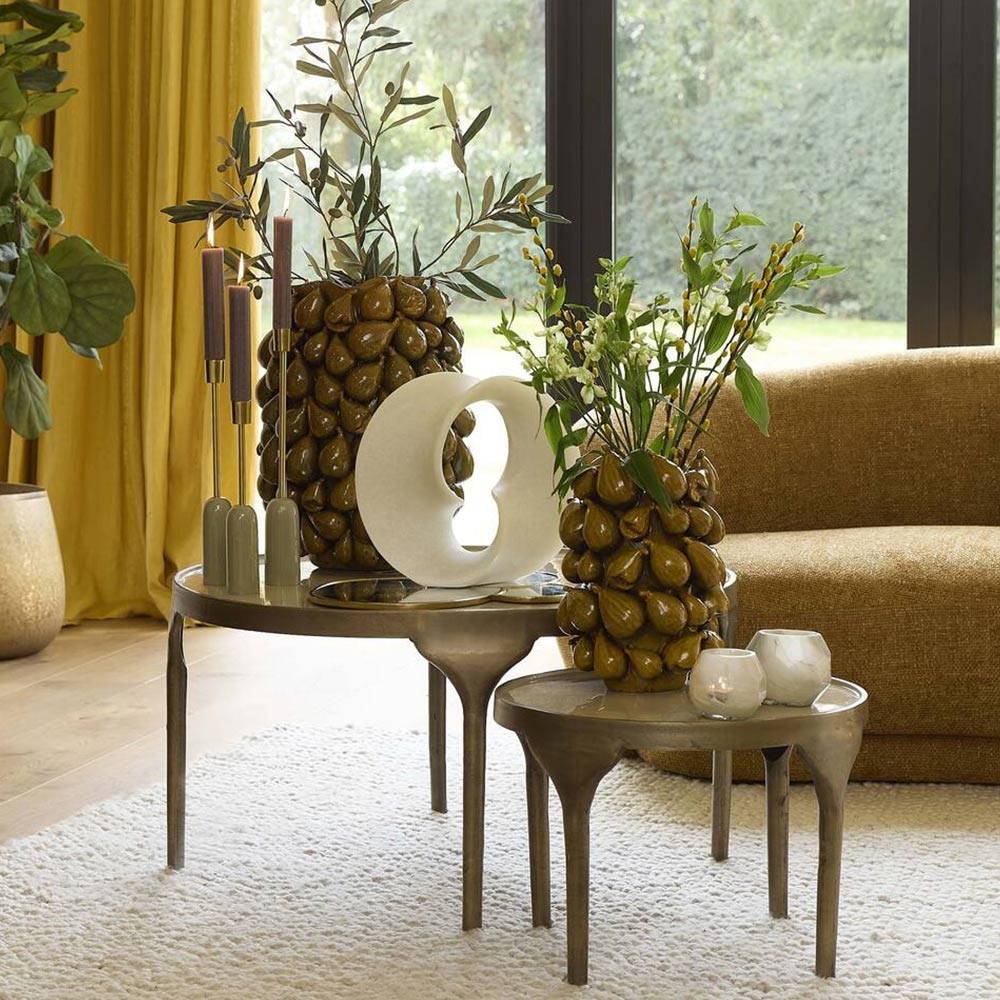
You can also play with shapes. A round or oval coffee table can soften the straight lines of a structured sofa, while a rectangular table works particularly well with a long sofa.

Nesting tables are also an excellent solution for smaller spaces.

5. Relying on a single light source

One ceiling light is rarely enough to create a truly warm atmosphere.

A well-designed living room usually includes several layers of lighting.

You can combine:

  • a pendant or ceiling light for general lighting;
  • a floor lamp near the sofa;
  • a table lamp on a sideboard or console;
  • a few smaller decorative light sources.

This combination allows you to adapt the atmosphere depending on the time of day.

In the evening, choose soft, warm lighting to create a more comfortable and relaxing mood.

6. Adding too much furniture and decoration

When you enjoy interior design, it can be tempting to keep adding furniture, cushions, vases and decorative objects.

But an overcrowded living room can quickly feel smaller and less harmonious.

It is often better to select a few beautiful pieces with real character: a statement armchair, a sculptural coffee table, a striking light fixture or a graphic rug.

Also allow some areas of the room to breathe.

An elegant interior is not defined by the number of objects it contains, but by the way they work together.

7. Ignoring circulation space

A beautiful layout also needs to be practical in everyday life.

You should be able to move easily between the sofa, coffee table, armchairs and other furniture.

Avoid narrow walkways or placing furniture in front of doors or important circulation areas.

Try to maintain around 60 to 80 cm of clear space in the main walkways.

Before buying a large piece of furniture, you can even mark its dimensions on the floor with masking tape. This allows you to visualise exactly how much space it will occupy.

How can you create a well-balanced living room?

A harmonious living room starts with the right proportions.

Begin with the main piece of furniture — usually the sofa — and gradually build the rest of the layout around it.

Then add armchairs, a coffee table, a rug and lighting while keeping a sense of consistency between materials and colours.

Not every piece of furniture needs to come from the same collection. In fact, mixing shapes, textures and materials often gives an interior much more personality.

The key is to find the right balance between aesthetics, comfort and functionality.

With a few simple rules and furniture that suits the dimensions of the room, it becomes much easier to create a living room that feels welcoming, elegant and enjoyable to live in.